

When you start researching concrete coatings for your garage, patio, or industrial facility, you are immediately bombarded with marketing claims. One company promises “20x strength,” another claims a “one-day miracle,” and a third insists on a specific chemical formula. It’s overwhelming, and frankly, it often misses the point.
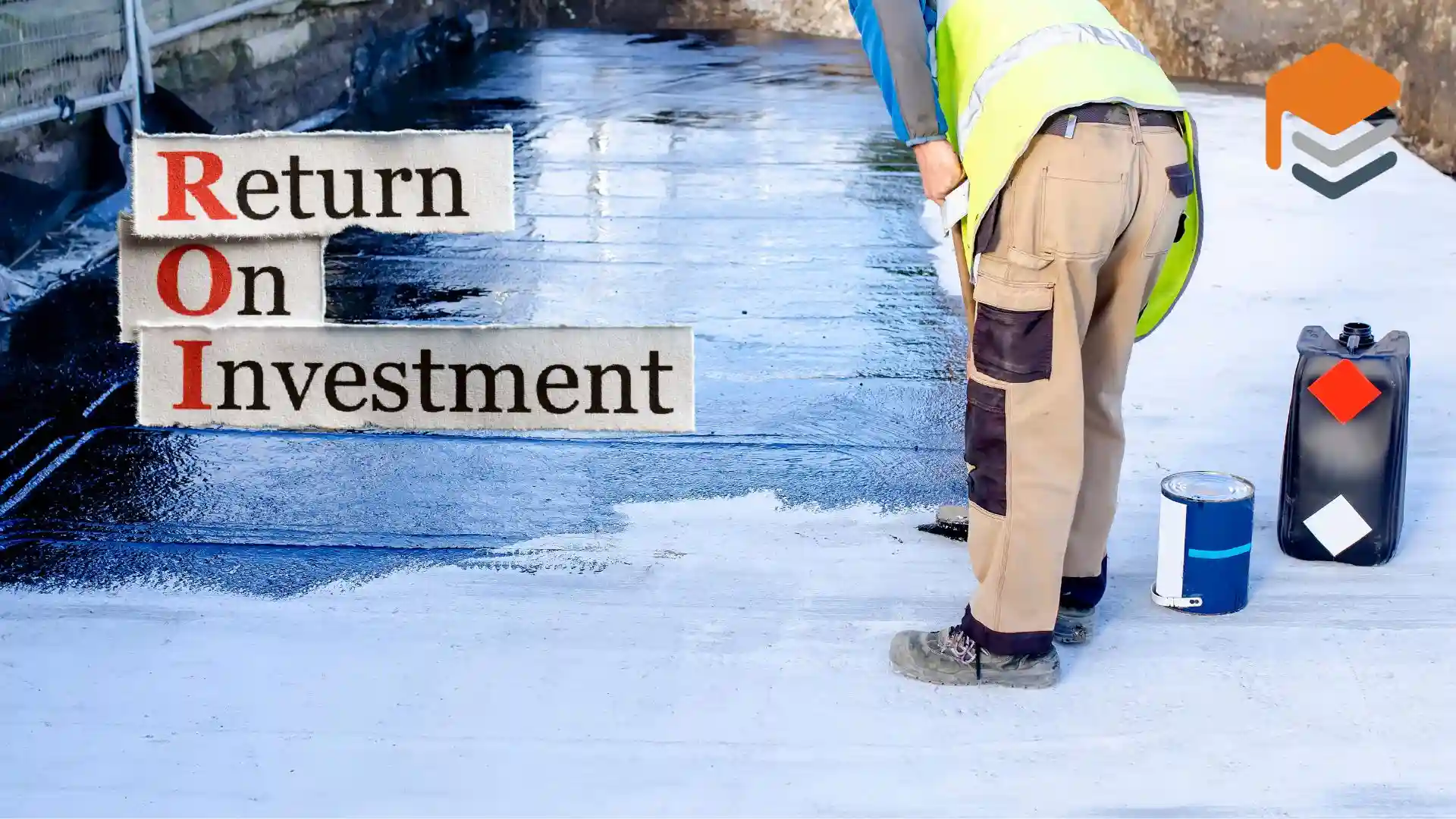
You aren’t buying a floor coating just to have a shiny surface for six months. You are making a significant capital improvement to your property. You are looking for a return on investment (ROI) defined by decades of performance, not just a few years of aesthetic appeal.
The reality of the industry is stark. Poor surface preparation is responsible for 73-80% of all concrete coating failures.
It means the durability of your floor has less to do with the brand name on the bucket and everything to do with the science of adhesion, moisture management, and surface profiling. True longevity isn’t bought, it’s engineered.
The Real ROI: A Floor Coating Should Be a One-Time Investment
In the world of home and facility improvements, the “cheapest” quote is often the most expensive option over a ten-year timeline. When a low-grade coating fails, usually via delamination (peeling), yellowing, or hot-tire pickup, the cost to fix it is double the initial investment.
You have to pay to mechanically remove the failed coating before you can even pay for the new one.
Maximizing ROI means installing a system that withstands the unique environmental stresses of North Carolina, from the humidity of a Cary summer to the freeze-thaw cycles of winter. If you are evaluating an eco friendly concrete floor coating or a heavy-duty industrial system, durability equals value.
Why Garage Floor Coatings Fail
The coating material is only as good as the surface it bonds to.
Most “failures” aren’t actually material failures, they are bond failures. This happens when an installer (or a DIY kit) applies a coating over concrete that is too smooth, too wet, or contaminated with oil. The coating hardens perfectly, but it’s basically floating on top of the concrete rather than fusing with it.
To achieve a mechanical bond that lasts 20+ years, the concrete must be opened up. This requires industrial diamond grinding to achieve a specific Concrete Surface Profile (CSP). If a contractor proposes an “acid wash” or simply power washing the floor before application, they are inviting that 80% failure risk into your home.
Understanding the Science Behind Coating Materials
Once the foundation is prepared, the material selection does matter. However, the debate shouldn’t just be “Epoxy vs. The Rest.” It should be about flexibility versus brittleness.
The Limitations of Standard Epoxy
Traditional epoxy flooring cary nc residents often ask about has served the industry well for decades. It is hard and chemically resistant. However, standard epoxy is rigid. As concrete expands and contracts with temperature changes, rigid materials can’t move with the substrate. This tension eventually leads to micro-cracking and delamination.
The Polyurea and Polyaspartic Advantage
Modern systems, particularly polyaspartic coatings, offer a distinct advantage: elongation. These materials maintain a higher degree of flexibility even after curing. When your concrete slab shifts slightly due to thermal expansion, a polyaspartic coating stretches rather than snaps.
Furthermore, these materials offer superior abrasion resistance. In technical comparisons, polyaspartics have shown significantly higher resistance to scratching and impact compared to standard epoxies.
“Rubber vs. plastic” is why newer systems are generally preferred for epoxy garage floors where vehicles introduce weight, heat, and friction.
5 Hidden Factors That Determine a 20-Year Lifespan
Durability is a multivariate equation. A coating that is technically “strong” can still fail if it isn’t engineered to handle specific environmental threats.
1. Moisture Vapor Transmission (MVT)
Concrete is like a hard sponge. Moisture from the ground works its way up through the slab. If that pressure exceeds the bond strength of the coating, it will blow the coating off the floor (hydrostatic pressure). A durable installation requires moisture testing and, if necessary, a moisture-mitigating primer.
2. UV Stability:
Aliphatic polyaspartic coatings are 100% UV stable. Standard epoxies are not. If your garage door is left open, or if you are coating a patio, non-UV stable coatings will yellow and chalk within months, degrading the matrix of the floor.
3. Hot-Tire Pickup
When you drive home after a summer commute, your tires are hot and slightly expanded. When they cool on a cheap epoxy floor, the contraction can literally pull the coating up. High-quality systems form a cross-linked chemical bond that is impervious to this heat transfer.
4. Chemical Resistance
From road salts brought in during winter to accidental gasoline spills, the coating must be non-porous.
5.Abrasion Resistance
This is measured in “mg loss.” The lower the number, the better. High-quality coatings lose very little mass even when subjected to heavy foot traffic or equipment.
How a Professional Installation Prevents Failure
We mentioned earlier that preparation is key. Here is what a durability-focused installation workflow actually looks like compared to a standard “splash and dash” approach.
Step 1: The Scratch and Porosity Test
Before a quote is even finalized, a true professional assesses the hardness of the concrete (Mohs scale). Soft concrete requires different grinding segments than hard concrete. Ignoring this leads to an uneven profile.
Step 2: Concrete Surface Profiling (CSP)
Using heavy planetary grinders, the installer removes the “cream” layer of the concrete, exposing the pores. The goal is to create a texture similar to 100-grit sandpaper (CSP 2 or 3). This increases the surface area for the coating to grip by hundreds of times.
Step 3: Crack and Pit Repair
Cracks are telegraph points for failure. They must be chased open with a diamond blade and filled with a specific mender material that bonds stronger than the concrete itself.
Step 4: The Base Coat and Broadcast
Whether applying commercial epoxy floors cary businesses rely on or a residential garage, the base coat wicks deep into the open pores. A broadcast medium (like quartz or vinyl flakes) is added not just for looks, but to add thickness and impact resistance to the system.
How to Read a Warranty for True Lifetime Value
A warranty is only as durable as the company standing behind it, but the language used tells you a lot about the expected lifespan of the product.
- Look for “Delamination” Coverage: A warranty that only covers “product defects” is virtually useless. Product defects are rare. Installation defects cause peeling. A strong warranty covers peeling and delamination.
- Exclusions: If a warranty excludes “moisture related issues” but the contractor didn’t test for moisture, that is a red flag.
- Transferability: A warranty that transfers to a new homeowner adds tangible resale value to your property.
Frequently Asked Questions About Concrete Coating Durability
How long should a professional garage floor coating last?
A professionally installed system using polyaspartic/polyurea or high-solids epoxy technology should last 15 to 20+ years in a residential setting. Industrial settings may vary based on traffic, but the bond should remain permanent.
Is Polyurea actually better than Epoxy?
In most garage and exterior applications, yes. Polyurea and polyaspartic coatings are significantly more flexible (handling concrete movement better), cure faster, and are UV stable. Epoxy is still an excellent choice for certain indoor floorings.
Can I just recoat over my old coating?
Generally, no. For the new coating to achieve maximum durability, it needs to bond to the concrete, not the old paint. The old coating usually needs to be ground off completely to ensure a fresh, secure bond.
Will the coating crack if my concrete cracks?
Concrete moves. While flexible coatings like polyaspartics can bridge minor hairline fractures, significant structural shifts in the slab may still telegraph through. However, using a flexible mending material during prep minimizes this risk significantly.
Don’t Leave Your Investment to Chance
Durability starts with the first test, not the final coat.
If you are ready to explore a concrete coating solution built on rigorous preparation and material science, contact Permaco to start the conversation with a team that prioritizes longevity above all else.