

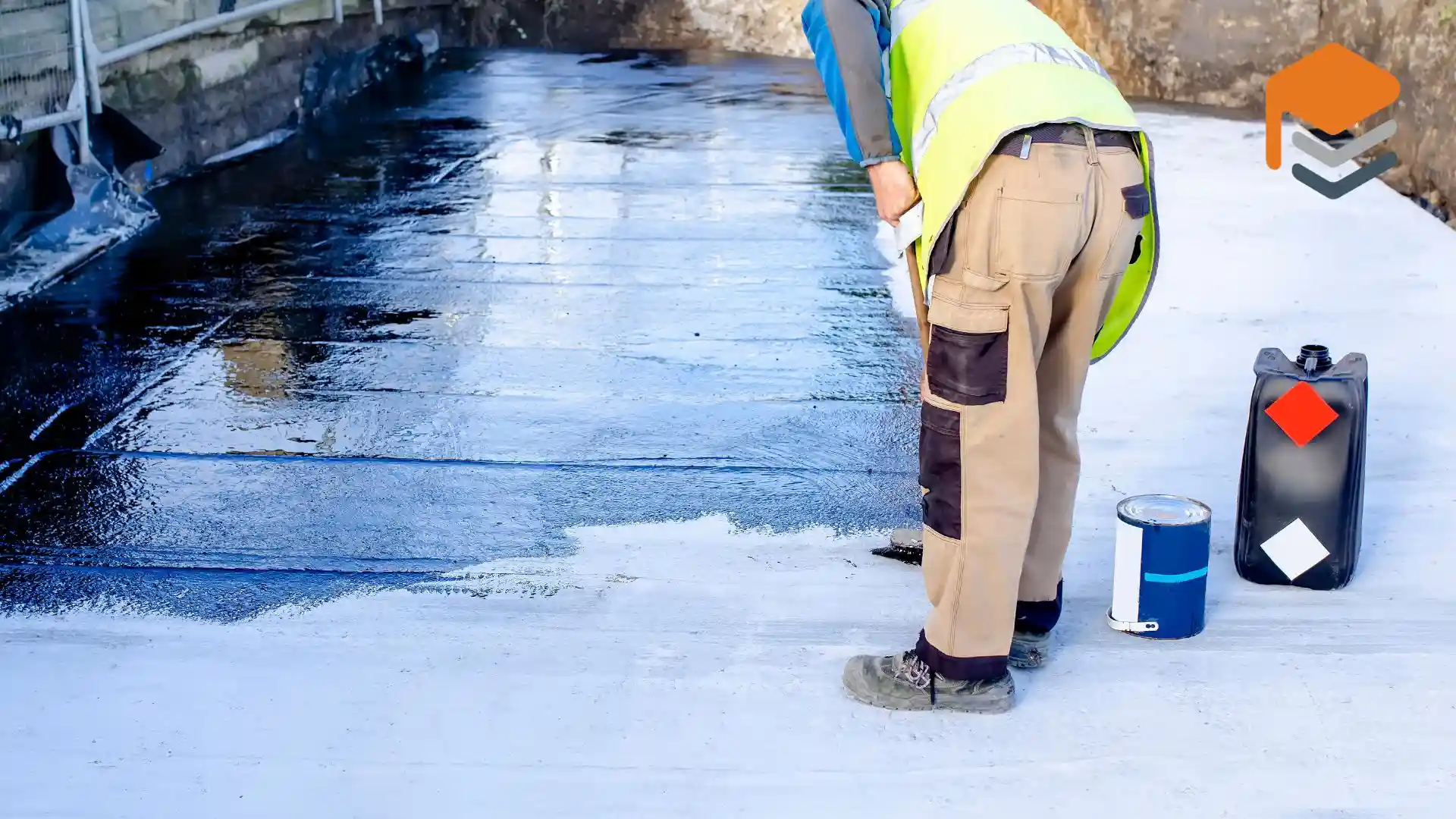
You know that split-second of panic when your foot loses traction on a wet surface. Whether it’s a pool deck after a summer storm in Raleigh or a commercial kitchen floor during the dinner rush, slippery concrete is a liability waiting to happen.
If you are researching concrete coatings, you likely aren’t just looking for aesthetic improvement. You are looking for risk mitigation. You need a surface that performs under pressure, handles North Carolina’s humidity, and keeps your family or employees safe.
However, the market is flooded with conflicting advice. Some suggest sprinkling “sand” into store-bought paint (a short-term fix that often creates cleaning nightmares), while others push industrial-grade grits that destroy mop heads and scrape bare feet.
At Permaco, we will walk you through the technical realities of high-traction systems, helping you evaluate the difference between a quick DIY fix and a professionally engineered safety surface.
Key Takeaways
- Slippery concrete is a serious safety and liability risk, so coatings should be chosen for performance in wet, humid conditions.
- Slip resistance should be measured (COF). Targeting ANSI A326.3 wet-floor guidance (DCOF 0.42+) typically requires properly engineered aggregates, not “sand in paint” DIY fixes.
- The right traction system depends on the use-case. Polymer beads/vinyl flakes for barefoot comfort, quartz for durable mid-grip, aluminum oxide for industrial grip, with polyaspartic often outperforming epoxy outdoors for UV stability and long-term texture hold.
The High Cost of a Slippery Floor
Before we discuss the chemistry of coatings, we must address why this investment is critical. The statistics surrounding slip accidents are sobering.
According to the National Safety Council and legal data from the Smith Law Center, slip and fall accidents are responsible for over 8 million emergency room visits annually in the United States. For business owners, the stakes are even higher. These incidents account for approximately 15% of all workers’ compensation claims.
In residential settings, the patio or pool deck is often the danger zone. In commercial facilities, like warehouses, showrooms, or medical labs, the risk involves potential litigation and lost productivity. The goal of a high-performance coating system is to reduce this variable, transforming a liability into a controlled, safe environment.
Understanding Slip Resistance
You cannot manage what you do not measure. In the professional coatings industry, we don’t rely on vague terms like “non-slip.” We rely on the Coefficient of Friction (COF).
COF measures the resistance to motion between two surfaces—in this case, a shoe (or foot) and your floor.
The lower the number, the slipperier the surface. Ice, for example, has a very low COF.
The Standard: ANSI A326.3
For years, the industry operated on loose guidelines. Today, the benchmark for safety is defined by the ANSI A326.3 standard. For a surface to be considered “safe” for wet, level interior flooring, it generally needs a Dynamic Coefficient of Friction (DCOF) of 0.42 or greater.
Why does this matter to you? When you evaluate commercial epoxy floors or industrial coatings, you need a system engineered to meet or exceed this standard. A standard epoxy installation without additives often falls short when wet.
Achieving that 0.42+ rating requires the deliberate integration of aggregates that provide mechanical grip without compromising the floor’s integrity.
A Guide to High-Traction Solutions: Comparing Your Options
Not all texture is created equal. The “grit” used in a coating system determines how the floor feels, how it cleans, and how long the traction lasts. Here is how professional systems compare to standard options.
1. The Aggregate Types
The material suspended in the coating dictates performance.
- Polymer Beads: These are lightweight, synthetic spheres often used in residential applications like cary epoxy garage floors. Because they are round, they provide traction without being abrasive. They are comfortable for bare feet and easier to clean than jagged grit.
- Aluminum Oxide: This is the heavy-duty choice. It is incredibly hard and angular. It provides aggressive grip, making it ideal for industrial loading docks or steep ramps, but it is too abrasive for a residential pool deck.
- Quartz: A happy medium. Quartz sand, often broadcast to rejection (covering the floor completely) and then sealed, offers excellent durability and a decorative look. It creates a structured surface that is highly impact-resistant.
2. The Carrier System: Epoxy vs. Polyaspartic
The aggregate is only as good as the resin holding it in place.
- DIY Paint Kits: These rely on a thin layer of paint to hold the grit. Traffic wears this thin layer down quickly, dislodging the grit and leaving you with a slippery patch within months.
- Epoxy Systems: Traditional epoxy is durable and holds aggregate well. However, standard epoxy can yellow under UV exposure and becomes glass-smooth when wet if not properly textured.
- Polyaspartic Systems: This is the modern standard for areas like driveways and pool decks. Polyaspartic coatings cure faster and are up to 4x stronger than epoxy. More importantly, they have a lower viscosity, allowing them to “wet out” the concrete and lock the aggregate in tighter, preventing the texture from wearing off over time.
How to Choose the Right System for Your Space
The “best” non-slip coating depends entirely on how the space is used. At Permaco, we customize the traction profile based on the environment.
For Pool Decks and Patios
Here, the priority is barefoot safety and thermal comfort. An aggressive aluminum oxide grit would be painful to walk on. Instead, we typically recommend a polyaspartic system with a broadcast of vinyl flakes or quartz, sealed with a polymer grip additive.
This makes sure the pool deck coating homeowners rely on is safe for children running with wet feet, yet comfortable enough for lounging.
For Driveways and Walkways
Outdoor surfaces face rain, oil, and organic debris. A concrete coating system for walkways requires a UV-stable topcoat that prevents yellowing. We often increase the texture profile here compared to an interior room to account for the heavy water volume during North Carolina storms.
For High-Traffic Public Spaces
Think about venues that see thousands of footsteps. For example, a custom patio installation visitors might encounter requires a completely different approach than a private home. These areas need a high-build system capable of maintaining its COF rating despite constant friction from shoes and strollers.
The Permaco Difference: Testing First
Many contractors apply a “one-size-fits-all” texture. They buy a pre-mixed bucket and roll it out.
Permaco takes a different approach. We believe that durability begins with diagnosis. Before we recommend a traction profile, we assess the concrete’s condition. We conduct on-site scratch and porosity tests to understand how the substrate will accept the coating.
Because we are based in Cary and serve the wider North Carolina region, we understand the local climate, the humidity levels that affect curing and the biological growth that makes untreated concrete dangerous. We tailor our polymer and aggregate ratios to confirm your floor isn’t just safe on day one, but remains safe for years.
Don’t Just Coat It, Make It Safe
A coating project is an investment in your property’s value, but more importantly, it is an investment in safety. If you are looking to secure a commercial facility against liability or simply want to make sure your kids don’t slip on the pool deck, the chemistry matters.
Don’t settle for a surface that looks good but fails when wet. Choose a system engineered for traction, durability, and the specific demands of your environment.
Ready to evaluate your options? Contact Permaco Concrete Coatings today for a consultation and on-site surface assessment.