

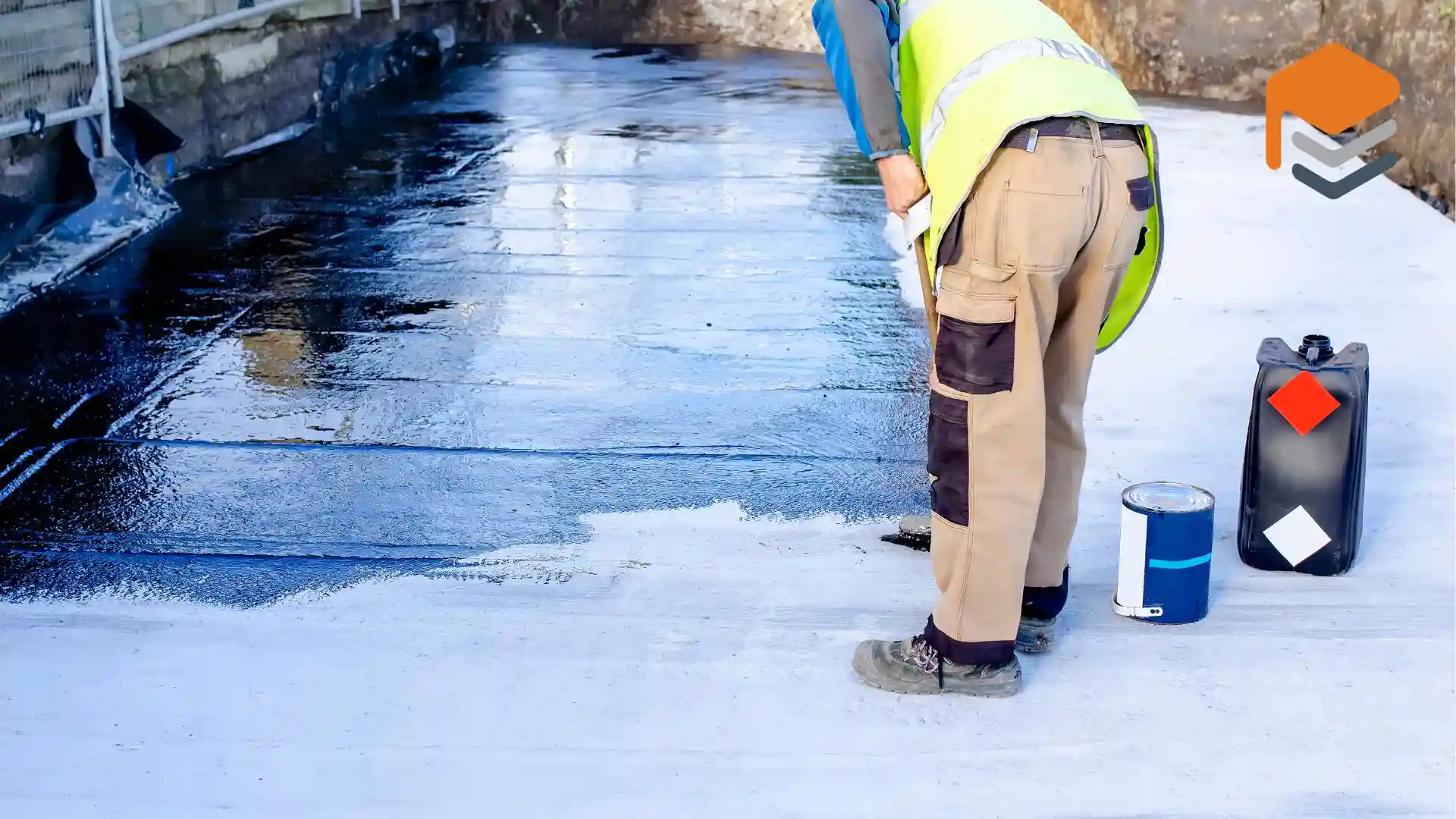
Polyaspartic and epoxy coatings both protect concrete, but they behave very differently once they touch your floor. The difference shows up in cure time, long-term durability, UV stability, and how well the coating bonds to your specific concrete slab.
On paper, both types of coating can look similar. In real garages, basements, and commercial spaces, the performance gap becomes easier to see.
Concrete itself plays a major role in how either system performs. Porosity, moisture content, surface density, and previous wear all affect adhesion. That is why experienced installers focus on testing and surface preparation before recommending one coating over the other.
At Permaco Concrete Coatings in North Carolina, we build their process around concrete testing, custom samples, and material selection that matches the slab, not just the product label. That approach helps explain why two homes using the same coating type can end up with very different results.
Key Takeaways
- Polyaspartic cures much faster while epoxy can take up to 7 days to fully cure, which directly impacts downtime and early-use risk.
- Epoxy is harder but more rigid and can crack/delaminate with slab movement, while polyaspartic balances toughness and flexibility for better real-world garage wear.
- Epoxy tends to yellow in sunlight and relies heavily on surface profiling, while polyaspartic is more UV-stable and penetrates concrete better when prep/testing are done right.
What Are Polyaspartic and Epoxy Concrete Coatings?
Polyaspartic and epoxy coatings are liquid-applied systems designed to protect concrete by sealing the surface and forming a hardened wear layer. Both are used on garage floors, basements, workshops, and commercial slabs, but they differ in chemistry, curing behavior, and long-term performance.
Epoxy Coatings
Epoxy coatings are made from a two-part resin and hardener that react slowly to form a rigid plastic surface. This slower chemical reaction is why epoxy systems often require extended cure periods.
Epoxy coatings can reach a surface-dry state in about 2 hours but typically require up to 7 days to fully cure under standard conditions. That difference between surface dry and full cure is important when evaluating downtime and early use.
Polyaspartic Coatings
Polyaspartic coatings are a type of aliphatic polyurea. Their chemistry allows the material to penetrate concrete pores quickly and cure much faster than epoxy.
Initial set times are in the 1.5 to 3 hour range, with walk-on readiness often achieved the same day. This faster reaction rate is one of the main reasons polyaspartic systems are chosen for projects where return to service matters.
Understanding the Difference Between Epoxy and Polyaspartic
Although both coatings are applied in liquid form, the way they interact with concrete is different.
Epoxy tends to sit closer to the surface and relies heavily on mechanical profiling for adhesion.
Polyaspartic materials have lower viscosity, which allows deeper penetration into prepared concrete. That penetration affects bond strength and helps explain why surface testing and grinding choices influence results more than the product name alone.
In practical terms, both coatings can protect concrete effectively when matched to the slab and installed correctly. The real differences begin to show when cure time, environmental exposure, and long-term durability are evaluated in real use conditions rather than product descriptions.
How Cure Time Affects Installation and Downtime
Cure time changes how long a space stays unusable, how soon weight can be applied to the floor, and how much risk exists during early use. The difference between polyaspartic and epoxy coatings becomes very clear in this phase because both materials harden on very different timelines.
Before breaking this down, it helps to separate surface dry from full cure. A coating can feel dry to the touch while still being chemically weak underneath. That distinction affects when a floor can be walked on, driven on, or exposed to temperature swings.
Polyaspartic Coating Cure Time
Polyaspartic coatings are formulated to react quickly once mixed. Many polyaspartic systems reach an initial set in about 1.5 to 3 hours. Walk-on readiness is often achieved the same day, with some systems allowing foot traffic within 6 hours. Light vehicle use is commonly permitted within about 48 hours, depending on temperature and thickness.
This rapid cure shortens overall downtime, but it also tightens the installation window. Installers must work precisely because the material does not stay liquid for long. That is why surface testing, mixing control, and preparation accuracy matter more with fast-curing systems.
When installed correctly, the fast reaction becomes an advantage rather than a risk.
Epoxy Coating Cure Time
Epoxy coatings cure through a slower chemical reaction between resin and hardener. Technical data sheets commonly show epoxy reaching a surface-dry state in about 2 hours under controlled conditions. Full chemical cure, however, can take up to 7 days at standard temperature and humidity levels.
During this extended cure period, the coating remains vulnerable. Early traffic, trapped moisture, or temperature changes can affect hardness and adhesion. This longer timeline increases downtime but also gives installers more working time during application.
In real projects, cure time affects more than scheduling. It changes how quickly a floor can be returned to daily use, how much protection the coating has during its early life, and how installation decisions ripple into long-term performance.
Durability Differences Over Time
Durability is not just about how hard a coating feels once it cures. It is about how the material responds to abrasion, temperature changes, weight, and daily movement over years of use. Polyaspartic and epoxy coatings behave differently under long-term stress because their cured structures are not the same.
To understand durability properly, it helps to separate surface wear from structural flexibility. Both play a role in whether a coating holds up or starts to fail prematurely.
Wear Resistance and Abrasion
Both epoxy and polyaspartic coatings are tested for abrasion resistance using standardized methods such as ASTM D4060. This test measures how much material wears away under repeated friction. Both systems can achieve strong abrasion resistance when installed at the proper thickness and over well-prepared concrete.
Epoxy coatings cure into a harder, more rigid surface. That hardness can perform well against abrasion in controlled environments where impact and movement are limited. In garages and workshops, repeated tire movement, dropped tools, and vibration place more varied stress on the surface.
Polyaspartic coatings tend to balance hardness with toughness. Rather than focusing on extreme surface rigidity, they are designed to absorb wear while maintaining their bond to the concrete. This balance often helps reduce surface wear patterns in high-use garages where traffic paths develop over time.
Flexibility and Crack Tolerance
Concrete moves. Temperature changes, settling, and load shifts all cause subtle expansion and contraction. Epoxy coatings cure into a relatively rigid film. When the slab beneath moves, that rigidity can transfer stress into the coating layer. Over time, this stress may contribute to cracking or delamination, especially at joints or cracks.
Polyaspartic coatings retain more flexibility after curing. This flexibility allows the coating to move with the concrete rather than resisting it. While no coating can bridge major structural cracks, increased flexibility helps reduce stress concentration and can improve performance over slabs that experience seasonal movement.
In long-term ownership, durability is often less about the coating’s maximum hardness and more about how well it tolerates real-world conditions. That difference in flexibility is one reason polyaspartic systems are often selected for garages and spaces exposed to temperature swings and daily use.
UV Stability and Color Retention
UV exposure changes how coatings look and age. Sunlight triggers chemical reactions at the surface that can alter color, gloss, and texture. This is one of the clearest performance differences between epoxy and polyaspartic coatings, especially in garages with doors left open or spaces exposed to daylight.
To explain the difference, it helps to look at how each material reacts to ultraviolet light at the chemical level.
Why Epoxy Yellows Over Time
Epoxy resins are not naturally UV stable. When exposed to sunlight, the polymer chains break down and oxidize. Epoxy materials tend to yellow and darken with age, especially under UV and thermal exposure. Outdoor or sunlit environments can also cause chalking, where the surface becomes dull and powdery.
This does not mean epoxy fails structurally right away. The coating can still protect the concrete. The issue is appearance. In garages with windows or frequent door openings, color change often becomes noticeable within months. Clear or light-colored epoxy systems show this effect faster than darker colors.
Because of this behavior, epoxy coatings are often paired with UV-stable topcoats when appearance matters. Without that added layer, color retention should not be expected in areas exposed to sunlight.
How Polyaspartic Handles UV Exposure
Polyaspartic coatings are derived from aliphatic polyurea chemistry, which is inherently more resistant to UV degradation. This chemistry is designed to resist yellowing and maintain color stability even with regular sunlight exposure.
In practical terms, this means polyaspartic systems retain their original color and gloss longer in garages and spaces that receive daylight. The coating does not rely on an added UV-protective layer to maintain appearance. That built-in resistance is one reason polyaspartic coatings are commonly used in exterior or partially exposed concrete.
Color retention does not affect structural performance, but it strongly influences long-term satisfaction. When appearance matters as much as protection, UV stability becomes a deciding factor rather than a secondary detail.
Concrete Adhesion and Surface Preparation
No coating performs well without proper adhesion. Most coating failures trace back to how the concrete was evaluated and prepared rather than the coating material itself. Polyaspartic and epoxy coatings bond to concrete in different ways, which makes surface condition and preparation choices especially important.
Concrete is not a uniform material. Age, porosity, moisture content, finishing method, and previous use all affect how a coating bonds to the slab.
Concrete Porosity and Bond Strength
Concrete contains capillaries and pores that vary from slab to slab. These pores determine how well a liquid coating can penetrate and anchor itself. Epoxy coatings are thicker and tend to rely more on surface profiling to create a mechanical bond.
If the surface is not ground correctly, epoxy may sit too close to the surface, increasing the risk of delamination under stress.
Polyaspartic coatings have lower viscosity, which allows them to penetrate deeper into properly prepared concrete. This penetration helps create a stronger bond within the slab rather than only on the surface. Deeper penetration can improve resistance to peeling, especially in garages where temperature changes and repeated stress.
Maintenance, Repairs, and Long-Term Ownership
Once a coating is installed and fully cured, day-to-day ownership becomes the focus. Maintenance effort, ease of repair, and how the coating ages all influence whether the floor continues to perform or slowly degrades over time. Polyaspartic and epoxy coatings differ in how forgiving they are during this phase.
Understanding these differences helps set realistic expectations beyond the first year of use.
Cleaning and Maintenance Requirements
Both polyaspartic and epoxy coatings create sealed surfaces that resist oil, dirt, and chemical spills better than bare concrete. Routine cleaning usually involves sweeping and occasional mopping with mild cleaners. Neither system requires specialty products to stay functional.
Epoxy coatings can lose gloss more quickly in high-traffic areas as abrasion builds. When that happens, the floor may still be protected but appear worn or uneven. In garages with frequent vehicle use, tire heat and friction can accelerate this cosmetic wear.
Polyaspartic coatings tend to maintain a more consistent appearance over time. Their balance of hardness and flexibility helps reduce visible wear paths. This does not eliminate maintenance, but it often extends the period before cosmetic refresh becomes a concern.
Repairability and Recoating
Repairability depends on how well new material bonds to the existing coating. Epoxy systems can be repaired, but successful bonding often requires aggressive surface grinding to expose fresh material. Spot repairs may remain visible, especially if color or gloss has shifted due to aging.
Polyaspartic coatings are generally easier to recoat when surface preparation is done correctly. Their chemical compatibility allows new layers to bond more predictably, which can make localized repairs less noticeable. This becomes important when addressing isolated damage rather than replacing an entire floor.
Long-term ownership is shaped by how a coating handles wear, movement, and maintenance over years of use. A system that looks good on day one but is difficult to repair can become more expensive over time. Matching the coating to how the space is used helps reduce those long-term costs.
Cost Differences and Value Over Time
Cost is often the first comparison people make, but upfront price alone does not tell the full story. Installation time, lifespan, maintenance, and risk of failure all influence what a coating actually costs over its usable life. Polyaspartic and epoxy coatings differ in how those costs show up.
Breaking cost into short-term and long-term considerations makes the comparison clearer.
Upfront Cost Comparison
Epoxy coatings usually have a lower initial price. The material itself is less expensive, and longer working times can reduce labor pressure during installation. For projects where budget is the primary concern and downtime is acceptable, epoxy can appear attractive at first glance.
Polyaspartic coatings typically cost more upfront. The material is more advanced, cure times are faster, and installation requires tighter process control. That higher price often reflects both material cost and the skill required to install it correctly.
Upfront cost differences are real, but they do not account for how the floor will perform once it is in use.
Lifecycle Cost Considerations
Lifecycle cost looks at how long the coating lasts, how it handles wear, and what it takes to maintain or repair it. Epoxy coatings that discolor, wear unevenly, or lose adhesion may require recoating sooner, especially in garages exposed to sunlight or temperature swings. Each recoat adds cost, downtime, and disruption.
Polyaspartic coatings often offset their higher initial price through longer color stability, reduced downtime, and easier recoating when maintenance is eventually needed. Faster return to service also carries value, especially for households that rely on garage access or businesses that cannot close for extended periods.
Value over time depends on how the space is used and how well the coating system matches the concrete and environment. The cheapest option on day one is not always the least expensive option over several years.
Which Coating Is Better for Garage Floors?
Garage floors place more stress on coatings than many indoor surfaces. Vehicle weight, hot tires, temperature swings, moisture, and regular movement all test how well a system holds up. Because of this, the “better” coating depends on how the garage is actually used rather than on material labels alone.
Breaking garage use into common scenarios helps clarify the differences.
Daily Use Garages
In garages used every day, cure time, flexibility, and UV stability matter. Vehicles bring in heat, moisture, and debris, while doors opening throughout the day expose the floor to sunlight and temperature changes.
Polyaspartic coatings often perform well in these conditions. Faster return to service reduces disruption, and built-in UV resistance helps maintain color near garage doors. Flexibility also helps the coating tolerate subtle slab movement caused by seasonal temperature changes and repeated vehicle traffic.
Epoxy coatings can still work in daily use garages, but appearance changes are more likely over time, especially where sunlight reaches the floor. Longer cure periods also increase the risk of early use affecting performance if the space cannot remain unused for several days.
High-Traffic or Commercial Garages
High-traffic garages and light commercial spaces introduce heavier loads, frequent turning, and constant movement. Abrasion resistance, bond strength, and repairability become more important than short-term appearance.
Both epoxy and polyaspartic systems can be used in these environments when installed correctly. Epoxy may be selected in controlled indoor spaces where UV exposure is minimal and downtime can be planned. Polyaspartic systems are often favored when access needs to be restored quickly or when temperature control is limited.
In commercial settings, success depends less on the coating type and more on surface preparation, testing, and system design. A well-matched system installed over properly prepared concrete will outperform a mismatched product every time.
How to Choose the Right Coating for Your Concrete
Polyaspartic and epoxy coatings both have a place, but the right choice depends on the concrete itself, not just the product name. Slab age, moisture levels, surface density, temperature exposure, and how the space is used all influence which system will perform best long term.
If you are in North Carolina or nearby areas and want a recommendation based on real surface testing, Permaco Concrete Coatings offers evaluations built around scratch testing, porosity checks, and system matching.
You can learn more or request a consultation through our contact page to see which coating makes the most sense for your concrete and how it is used.
Choosing correctly at the start is the easiest way to avoid repairs, downtime, and disappointment later.