
The true character of a surface, how it feels underfoot, how it manipulates light, and how it performs under stress, is determined by its texture and finish.
If you are in the process of adding concrete coatings, you aren’t just looking for something that covers the concrete. You are balancing aesthetics with engineering. You are asking how a satin finish affects shadow depth on a stamped patio, or how to achieve a safe, non-slip grip on a pool deck without it feeling like industrial sandpaper.
This is where the gap between DIY paint guides and professional coating systems widens. At Permaco, we approach texture and sheen not merely as design choices, but as physical interactions between light, tactile resistance, and your specific environment here in North Carolina.
Understanding LRV
When we discuss “finish,” we are scientifically discussing Light Reflectance Value (LRV) and surface scattering. The gloss level you choose dictates how light behaves when it strikes the floor, which dramatically alters the perception of the space.
The Gloss Trap
There is a misconception that higher gloss always equals a more “premium” look. However, applying a high-gloss finish to a heavily textured surface can create what we call “visual noise.”
Because high-gloss finishes reflect light directly rather than scattering it, they heighten the contrast between the peaks and valleys of a textured floor. If you have a knockdown texture or a heavy flake system, a high-gloss topcoat will cast hard micro-shadows. This increases perceived surface depth, which can be beautiful in the right context, but can also make a floor look “busy” or chaotic in a small space.
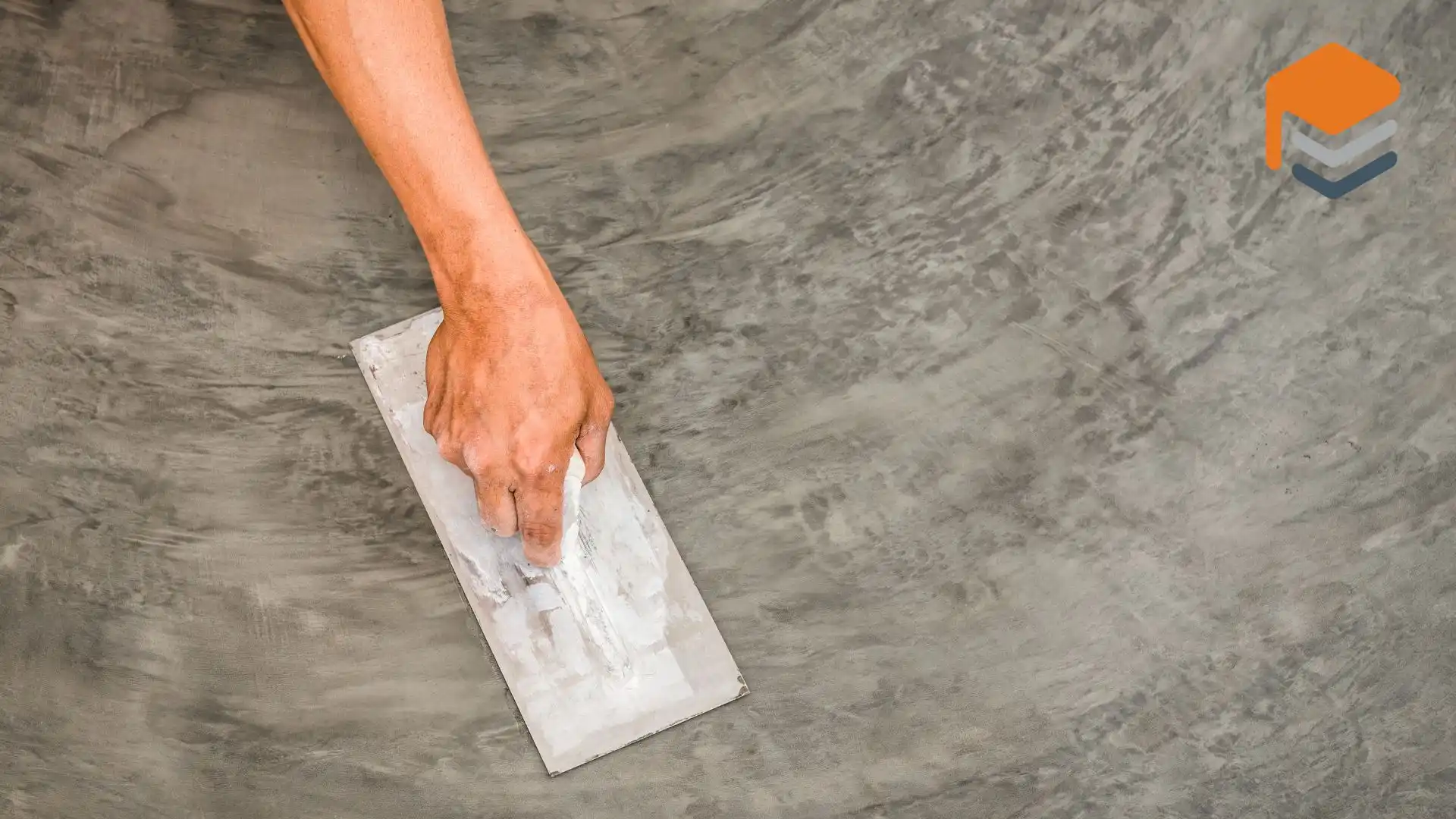
For those seeking a sleek, glass-like reflection, the underlying concrete must be perfectly smooth.
This is why polished concrete requests from Raleigh residents often require a completely different preparation protocol than a textured coating. We grind the substrate to a specific grit level to confirm the light reflection is uniform, avoiding that wavy, “orange peel” effect common in amateur applications.
The Matte Advantage
On the other end of the spectrum, matte and satin finishes diffuse light. They scatter rays in multiple directions, softening the appearance of the floor. This is particularly strategic for:
- Hiding Imperfections: If your existing slab has minor undulations, a matte finish masks them.
- Reducing Glare: In sunrooms or south-facing commercial spaces, a high-gloss floor can be blinding. A matte finish maintains the color integrity without the harsh reflection.
Balancing Safety with Style
The most critical decision point for our clients often revolves around the “hand-feel” (or foot-feel) of the surface. This is the balance between coefficient of friction (safety) and cleanability.
Nano-Textures and Modern Grip
Historically, adding “grip” to a floor meant tossing jagged silica sand into wet paint. The result was safe, but it looked gritty and felt like walking on asphalt.
Technology has evolved. We now utilize advanced aggregate systems and nano-texture techniques. These microscopic variations in the surface create necessary traction, crucial for wet areas, without trapping dirt or feeling abrasive to bare feet.
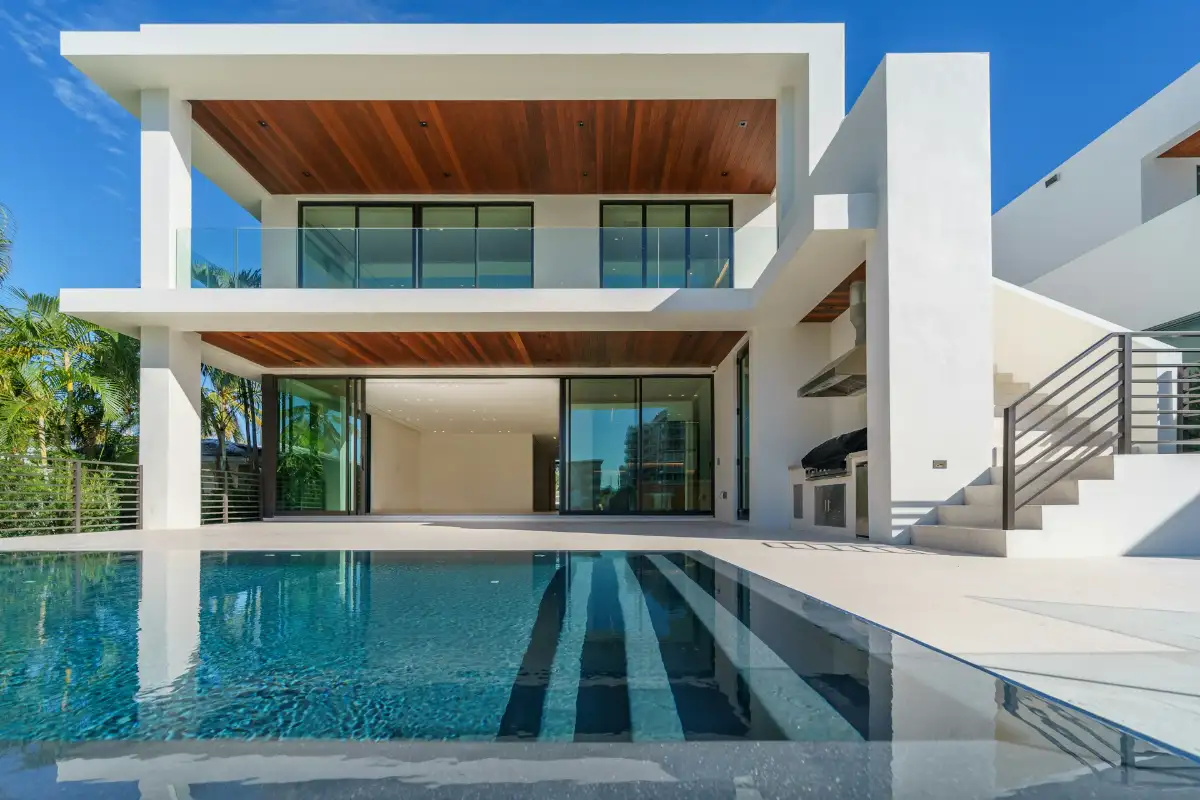
For example, when designing pool deck coatings, we prioritize a texture profile that is “hydro-safe.” It needs to provide grip when saturated with water but remain comfortable for a child sitting on the edge of the pool.
By adjusting the size and shape of the aggregate, we can tune the tactile experience to be aggressive for a commercial ramp or subtle for a residential patio.
The Substrate-Solution Map
One size does not fit all. The texture you choose must align with the functional demands of the environment. Here is how we map finish styles to specific use cases:
1. High-Traffic Residential (Garages and Basements)
- The Goal: Chemical resistance and ease of cleaning.
- The Solution: A medium-density flake system with a polyaspartic topcoat.
- Why: A standard garage floor coating takes a beating from hot tires and dropped tools. A completely smooth floor is slippery when wet (from rain dripping off a car), while a heavy texture is hard to sweep. The medium flake texture provides enough texture to hide dirt and provide grip, but smooth enough to mop easily.
2. Outdoor Living (Patios and Walkways)
- The Goal: UV stability and organic aesthetics.
- The Solution: A UV-stable quartz or chip system with a satin finish.
- Why: Outdoors, you want to minimize glare. A high-gloss patio can be uncomfortable in the midday sun. Furthermore, for a concrete patio, the coating must “breathe” slightly to handle hydrostatic pressure from the ground, avoiding the bubbling issues common with big-box store paints.
3. Industrial and Commercial Facilities
- The Goal: Maximum durability and regulatory compliance.
- The Solution: High-build epoxy with specific aggregate broadcasting.
- Why: In industrial concrete flooring applications, OSHA slip ratings often dictate the texture. Here, aesthetics take a backseat to safety protocols. We use angular aggregates that lock into the epoxy, confriming that even if the floor is covered in oil or sawdust, traction remains reliable.
The Maintenance Trade-Off
Your choice of finish dictates your future maintenance routine. This is a conversation we have transparently with every client before a contract is signed.
- High Gloss:
- Pro: Easiest to wipe clean. Dust and oil sit on top of the resin.
- Con: The “lens effect.” Just as a black car shows every scratch, high-gloss clear coats show wear patterns in high-traffic areas over time.
- Heavily Textured/Matte:
- Pro: Hides scratches and debris incredibly well.
- Con: Requires different cleaning mechanics. You cannot just push a dust mop over a heavy non-slip texture, it may require a deck brush or pressure wash to lift dirt from the crevices.
Material Health and Environmental Impact
Modern texture isn’t just about plastic beads. We are seeing a significant shift toward eco friendly concrete floor coating options that utilize mineral-based structures and low-VOC formulations.
Specifically, the “breathability” or vapor permeability of a coating is vital. Older acrylics would form a plastic sheet over concrete, trapping moisture. When that moisture tried to escape, it caused blistering.
Advanced mineral paints and specific polyurethanes allow moisture vapor to pass through without letting liquid water in. This is vital for preventing the “white dust” (efflorescence) often seen on failing basement walls.
Repairing the Foundation First
No amount of beautiful texture will hide a crumbling slab. In fact, applying a coating over deteriorated concrete without addressing the underlying porosity and structural integrity is a recipe for failure.
At Permaco, our process begins with testing the concrete’s hardness and moisture levels. We don’t just paint over cracks, we chase them, fill them with mending materials that are stronger than the concrete itself, and grind the surface flat. The texture is the final flourish, but the preparation is the guarantee.
Making the Decision With Permaco
You are looking for a surface that performs as well as it looks. The interplay between the tactile feel, the gloss level, and the durability of the system is complex.
We recommend seeing these finishes in person, under different lighting conditions, and feeling the texture yourself. It is the only way to know if a surface matches your vision for safety and ambiance.
Ready to evaluate your options? Contact Permaco for a consultation where we can assess your concrete and demonstrate the difference a professional texture system makes.